The Har Ghar Tyohar Offer is Here! Enjoy up to 60% OFF on select appliances.
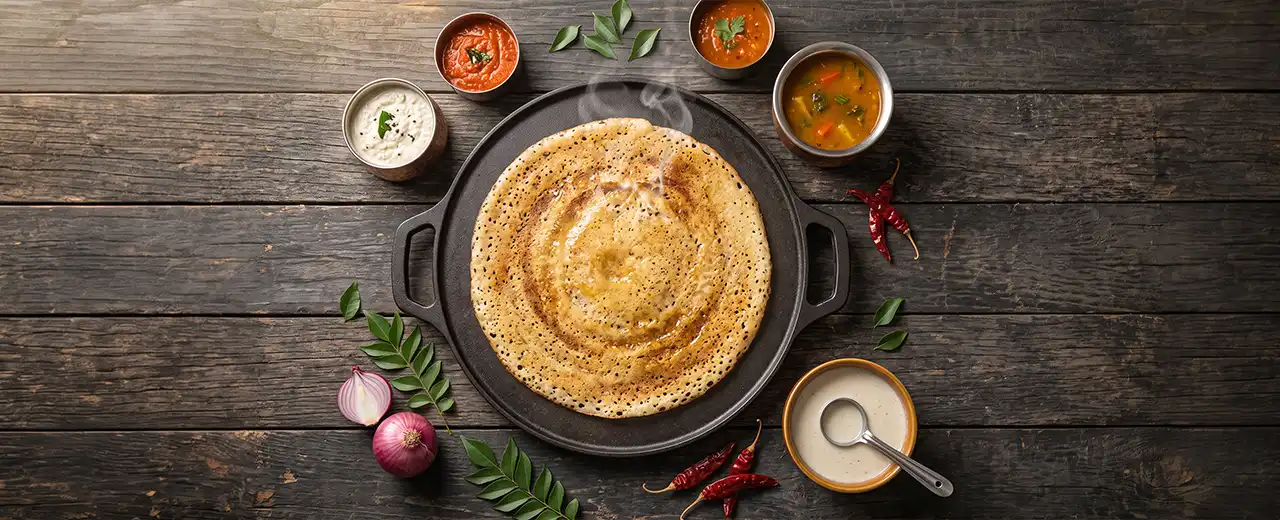
If you have ever seen your cast iron turn rusty, sticky or patchy, you are not alone. In most cases, the fix is easy. This guide explains how to season new cast iron, cook on it, clean it, store it and bring it back to life if it rusts, in simple steps anyone can follow.
Why cast iron is worth the care
Cast iron rewards the little effort you put in:
- Even heating and heat retention: it stays hot, which gives crisp dosas, soft rotis and well-browned vegetables.
- Naturally non-stick over time: a well-seasoned surface needs little oil and gets better with use.
- Built to last: with care, cast iron can serve you for decades, which saves money.
- No chemical coating: the surface is made from seasoning oil, not a synthetic coating, and food can pick up a small amount of iron.
- Versatile: it works on gas, and many pieces also work on induction and in the oven.
How to season cast iron, step by step
Seasoning means baking thin layers of oil onto the iron. The oil turns into a hard, smooth coating that protects the metal and makes it non-stick. Do this when your cast iron is new, rusty or looks dull and dry.
- Wash: scrub with warm water and a little mild soap to remove dust and factory residue. Dry it completely.
- Oil: rub a very thin layer of cooking oil over the whole pan, inside, outside and the handle. Use a clean cloth and wipe off the excess. The pan should look almost dry, because too much oil turns sticky.
- Heat: place the pan on a medium-low flame, or upside down in an oven at about 200°C for an hour. Let it heat until the oil smokes lightly, then switch it off. Keep the kitchen well ventilated.
- Cool and repeat: let the pan cool completely. Repeat the oil and heat steps two or three times for a stronger coating.
Pre-seasoned cast iron comes ready to use, so you only need a quick wash and a light coat of oil before the first use.
Cooking tips that protect the seasoning
- Heat slowly: warm the pan on low to medium heat for a few minutes before cooking. Sudden high heat can stress the iron.
- Add oil before food: a little oil on a hot pan helps food release and keeps building the seasoning.
- Start with oily, simple dishes: dosa, roti, parathas and sauteed vegetables are great for a new pan.
- Go easy on sour dishes at first: long simmering of tomato, tamarind or lemon-based curries can strip a young seasoning. Once the surface is well seasoned, an occasional curry is fine.
- Avoid thermal shock: never pour cold water into a hot pan. Let it cool first.
- Tawa trick: for a dosa tawa, rub a halved onion dipped in oil over the hot surface before spreading the batter.
How to clean cast iron after every use
Cleaning cast iron is quick when you do it right after cooking.
- Let the pan cool slightly, but wash it while it is still warm.
- Scrub with warm water and a soft brush or sponge. A little mild soap is fine, as long as you rinse it well.
- For stuck food, scrub with coarse salt and a few drops of oil, or soak the pan in hot water for a few minutes. Do not leave it soaking for long.
- Avoid steel wool, harsh scrubbers and the dishwasher, because they strip the seasoning and cause rust.
How to dry and store cast iron
Moisture is the main cause of rust, so never let your cast iron air dry.
- Wipe the pan dry with a clean cloth straight after washing.
- Place it on a low flame for a minute or two so every trace of water evaporates.
- Rub a thin layer of cooking oil over the surface while it is warm, then wipe off the extra.
- Store it in a cool, dry place. If you stack pans, place a paper towel or cloth between them, and keep lids slightly open so air can circulate.
How to remove rust and restore cast iron
Rusty or sticky cast iron is not ruined. You can bring it back:
- Scrub the rusty or sticky patches with a steel wool pad or a stiff scrubber until you see bare, dull grey iron.
- For heavy rust, soak the pan for up to 30 minutes in equal parts water and white vinegar, then scrub again. Do not leave it longer, as vinegar can damage the iron.
- Rinse well and dry it completely, including on a low flame.
- Season the pan again, using the oil and heat steps above, two or three times.
A pan that is peeling, flaking or very sticky also needs this reset.
Cast iron care: quick do and do not list
|
Do |
Do not |
|---|---|
|
Preheat slowly on low to medium heat |
Pour cold water into a hot pan |
|
Wash soon after cooking |
Leave it soaking in the sink |
|
Dry it fully and add a thin coat of oil |
Let it air dry |
|
Store in a cool, dry place |
Store it in a damp cupboard or a sealed container |
|
Season again when it looks dull or dry |
Use steel wool or harsh scrubbers on a healthy surface |
|
Use wooden, silicone or smooth metal spatulas |
Put it in the dishwasher |
Care made easier with Greenchef cast iron
Greenchef's Zesto pre-seasoned cast iron range, which includes pieces like the dosa tawa and the paniyarkkal, is made to make cast iron simple to own:
- Pre-seasoned and ready to use: a quick wash and a light coat of oil, and you can start cooking.
- Even heating and good heat retention: for consistent dosas, rotis and snacks.
- No chemical coatings: made from natural cast iron.
- Gas and induction compatible: select products are suitable for both, so check the label of the piece you choose.
- Heat-resistant, steady grip handles: for safer handling.
The care steps are the same as in this guide. Wash, apply a thin layer of cooking oil, and store in a cool, dry place. Explore the full range at greenchef.in.
Frequently asked questions
Can I use soap on cast iron? Yes, a little mild soap is fine. Rinse it well, dry it right away and add a thin coat of oil. Avoid harsh scrubbing and long soaking.
How often should I season cast iron? Give it a thin coat of oil after every wash. Do a full seasoning when the surface looks dull, feels sticky or shows rust.
Which oil is best for seasoning? Use a regular cooking oil with a high smoke point, such as groundnut, sunflower or rice bran oil. Avoid butter and ghee for seasoning, because they burn easily and can turn rancid.
Why does food stick to my cast iron pan? The most common reasons are a pan that was not hot enough, too little oil, a thin seasoning, or turning the food too early. Heat the pan well and add enough oil.
Can I cook tomato or tamarind curries in cast iron? Occasionally, once the pan is well seasoned. Avoid long simmering and do not store sour food in the pan.
Can I use cast iron on an induction cooktop? Cast iron is magnetic, so many pieces work on induction. Always check the product label for compatibility.
Is a rusty cast iron pan safe to use? Not until you restore it. Scrub off the rust, wash, dry and season it again, and it will be good as new.
Final thoughts
Caring for cast iron comes down to four habits: heat it slowly, clean it gently, dry it fully and give it a light coat of oil. Follow them and your cast iron will get smoother, darker and more non-stick with every meal, and it can serve your family for years.
Ready to start cooking on cast iron? Browse the Greenchef cast iron range at greenchef.in.